

Key Takeaways
- Verteco smart washroom technology in Makkah enhances hygiene and facility management for pilgrims.
- The system uses IoT-enabled sensors to monitor cleanliness and supplies in real time, improving efficiency.
- Automated monitoring helps reduce downtime, leading to shorter wait times and a more comfortable experience for visitors.
- This initiative supports Saudi Arabia’s Vision 2030 and the development of smart city infrastructure.
- Verteco’s technology is a practical example of how innovation enhances the pilgrimage experience.
Verteco smart washroom technology in Makkah is transforming hygiene and facility management, offering pilgrims a cleaner and more efficient experience during their visits.
Smart Washrooms Bring Innovation to Pilgrim Facilities
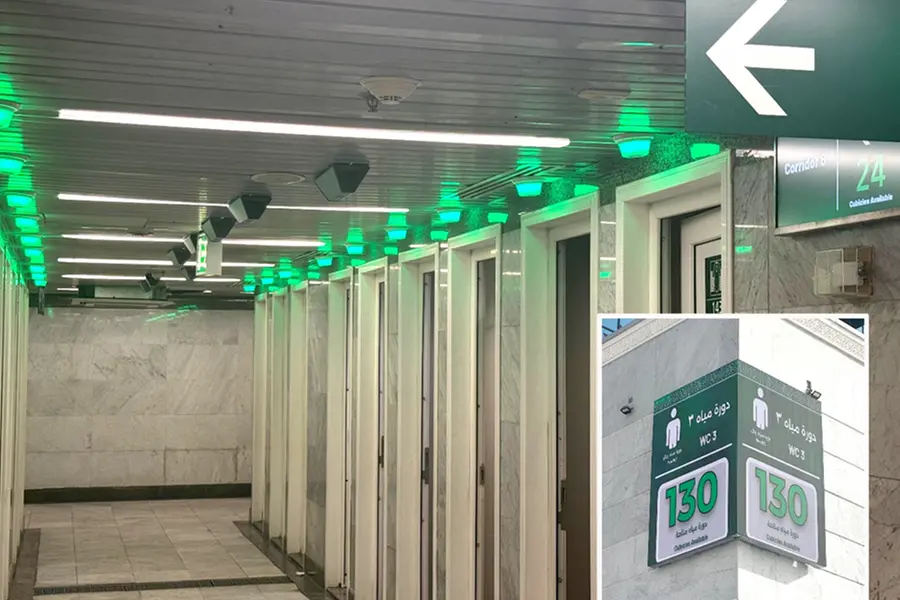
Verteco has introduced advanced smart washroom solutions in Makkah, designed to handle the massive influx of pilgrims throughout the year. The system uses modern sensors and connected devices to monitor usage and cleanliness in real time.
This approach helps ensure that washrooms remain clean, functional, and well-maintained even during peak periods like Hajj and Umrah. For millions of visitors, this means a more comfortable and reliable experience.
How Verteco Smart Washroom Technology in Makkah Works
At the core of Verteco’s system is a network of IoT-enabled sensors that track footfall, supply levels, and maintenance needs. These sensors provide real-time data to facility managers, allowing them to respond quickly when attention is needed.
The technology can detect when supplies like soap or paper are running low. It can also flag cleaning requirements based on actual usage rather than fixed schedules.
By shifting to a data-driven approach, operators can improve efficiency while maintaining high hygiene standards.
Improving Hygiene and Efficiency for Pilgrims
The deployment of Verteco smart washroom technology in Makkah is especially important given the scale of religious tourism. Large crowds can put significant pressure on public facilities.
With automated monitoring and predictive maintenance, the system reduces downtime and ensures facilities are always ready for use. This contributes to better hygiene, shorter wait times, and an overall smoother experience for pilgrims.
It also supports sustainability by optimizing resource use, reducing waste, and improving operational efficiency.
Supporting Saudi Arabia’s Smart City Vision
This initiative aligns with Saudi Arabia’s broader push toward smart city development under Vision 2030. By integrating technology into public infrastructure, the Kingdom is enhancing both service quality and visitor satisfaction.
Projects like this show how digital innovation can solve real-world challenges in high-density environments. They also highlight the role of smart infrastructure in improving large-scale event management.
Conclusion:
Verteco smart washroom technology in Makkah is a practical example of how innovation can improve everyday experiences. As millions of pilgrims visit each year, smarter facilities play a key role in ensuring comfort, hygiene, and efficiency.
Stay updated for more technology and smart city developments.