

Gaming smartphones have always had one awkward problem. They can be fast, loud, flashy, and packed with features, but once the heat builds up, performance can drop fast.
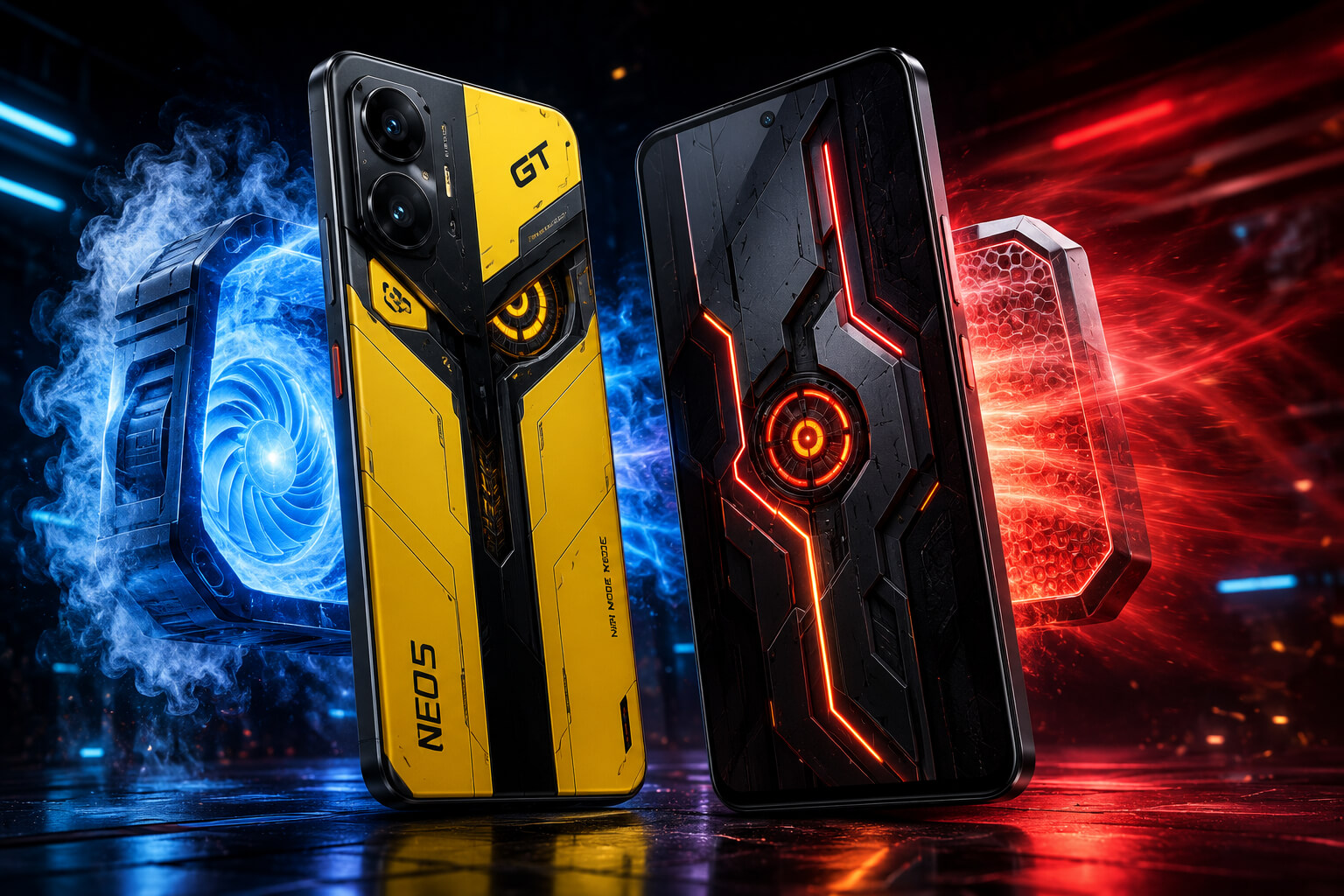
Nubia seems to know that. The new nubia Neo 5 GT Special Edition is being positioned around a feature that may not sound glamorous at first, but matters a lot for mobile gamers: cooling.
According to Trend Hunter, the device introduces an AquaCore Cooling System, which combines liquid cooling and air cooling to help the phone maintain stronger performance during long gaming sessions.
That is the real angle here. Not just speed. Not just a bigger spec sheet. The pitch is simple: keep the phone cooler for longer, so games do not start feeling worse halfway through a session.
Why Dual-Cooling Gaming Smartphones Matter
Mobile gaming is no longer just quick puzzle games during a commute. Players are spending serious time on demanding titles, competitive matches, streaming, and creator-style workflows. That kind of usage puts pressure on a phone’s processor, battery, display, and thermal system.
The nubia Neo 5 GT Special Edition tries to answer that with a hybrid cooling setup. Liquid cooling helps move heat away from key internal parts, while air cooling adds another layer of thermal control. Together, the goal is to reduce overheating and limit performance throttling.
It is the kind of feature that gaming PC users already understand. Now it is being squeezed into a smartphone.
AI Gaming Tools Join the Hardware Push
Cooling is not the only gaming-focused feature here. The phone also includes AI-assisted gaming tools, responsive shoulder triggers, fast charging, and a high-refresh-rate display, according to the source report.
That combination shows where gaming phones are going. Brands are no longer only chasing raw chipset power. They are adding features that make the device feel more purpose-built for play.
Shoulder triggers can help in shooters and racing games. A high-refresh display makes movement look smoother. Fast charging matters when players drain the battery during long sessions. AI tools, meanwhile, give brands another way to claim smarter performance tuning and more responsive gameplay.
Some of it will depend on how well the software actually works. But the direction is clear.
Smartphone Brands Are Looking Beyond Benchmarks
For years, smartphone launches leaned heavily on benchmark numbers. Faster chip. Better score. More power. That still matters, but gamers know the bigger question: can the phone keep performing after 30 minutes or one hour?
That is where thermal engineering becomes more important.
Trend Hunter notes that smartphone makers are using cooling systems as a way to stand out in crowded gaming and midrange markets. Instead of simply marketing peak performance, brands can now talk about sustained performance and long-term reliability.
That sounds less flashy, but it may be more useful to actual buyers.
Gaming Phones Are Becoming More Specialized
The nubia Neo 5 GT Special Edition also reflects a bigger shift in mobile hardware. Gaming phones are becoming more specialized, with designs borrowed from esports gear, handheld consoles, and PC gaming setups.
A standard smartphone can run games. A gaming smartphone wants to feel different.
That difference now includes better cooling, built-in gaming controls, high-refresh screens, fast charging, and software that tries to optimize performance in real time. For competitive players, those details can matter. For casual gamers, they may simply make long sessions more comfortable.
Either way, the category is moving beyond novelty.
The Bigger Picture
Dual-cooling gaming smartphones could become more common if buyers start treating heat management as a major purchase factor.
That is not impossible. Phones already compete on camera quality, battery size, charging speed, screen brightness, and AI features. Cooling could be next, especially as mobile games become heavier and cloud gaming becomes more common.
The nubia Neo 5 GT Special Edition is not just another gaming phone with aggressive styling. Its bigger message is that smartphone performance is no longer only about how fast a device can run at the start.
Sometimes, the real test begins after the phone gets hot.