

Key Takeaways
- Tesla Q1 2026 vehicle delivery production results fell short of expectations, indicating possible demand issues.
- Analysts noted a slowdown in EV demand, as delivery numbers lagged behind production.
- Intensifying competition from traditional and new EV brands is putting pressure on Tesla’s market share.
- Tesla’s future growth hinges on its ability to innovate and adjust pricing strategies to boost demand.
- The current slowdown presents challenges for Tesla, as investors will closely monitor how the company responds in upcoming quarters.
Tesla Q1 2026 vehicle delivery production results are raising eyebrows after the company posted weaker-than-expected numbers, pointing to possible demand issues and growing competition in the EV space.
Tesla reports weaker delivery and production numbers
Tesla’s latest report shows that vehicle deliveries for the first quarter of 2026 fell short of expectations. Production also declined compared to previous periods, catching many investors off guard.
This drop in deliveries suggests demand may be slowing in key markets. Analysts had expected stronger results, so the shortfall stands out.
On top of that, production was affected by factory changes and operational challenges, adding more pressure to the numbers.
Tesla Q1 2026 vehicle delivery production highlights demand slowdown
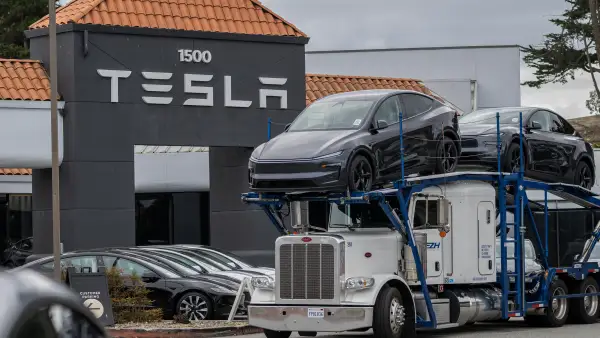
The Tesla Q1 2026 vehicle delivery production figures hint at a cooling in EV demand. Tesla is still a major player, but the gap between how many cars it makes and how many it delivers shows that vehicles are not moving as quickly as before.
Competition is also heating up. Traditional automakers and newer EV brands are offering more options, often at competitive prices, which is starting to chip away at Tesla’s dominance.
Economic factors like interest rates and cautious consumer spending are likely playing a role as well.
Competition and pricing pressure intensify
Tesla has used price cuts in the past to boost demand, but that approach comes with trade-offs. While it can attract buyers, it also puts pressure on profit margins.
Meanwhile, competitors are stepping up, especially in markets like China and Europe. With more choices available, Tesla is facing a tougher environment than in previous years.
Moving forward, Tesla’s growth will depend on how well it adjusts, whether through innovation, pricing strategies, or expanding into new markets.
What this means for Tesla’s future
Even with a weaker quarter, Tesla continues to invest heavily in future technologies, including AI-powered self-driving systems and new vehicle platforms. These could help drive long-term growth.
Still, the current slowdown highlights a key challenge: matching production with real market demand. Investors will be watching closely to see if Tesla can turn things around in the coming quarters.
Conclusion:
Tesla Q1 2026 vehicle delivery production results point to a tougher road ahead as demand softens and competition increases. The next few months will be crucial in determining whether Tesla can regain its momentum. Stay tuned for more updates.
👉 Source: https://www.cnbc.com/2026/04/02/tesla-tsla-q1-2026-vehicle-delivery-production.html