

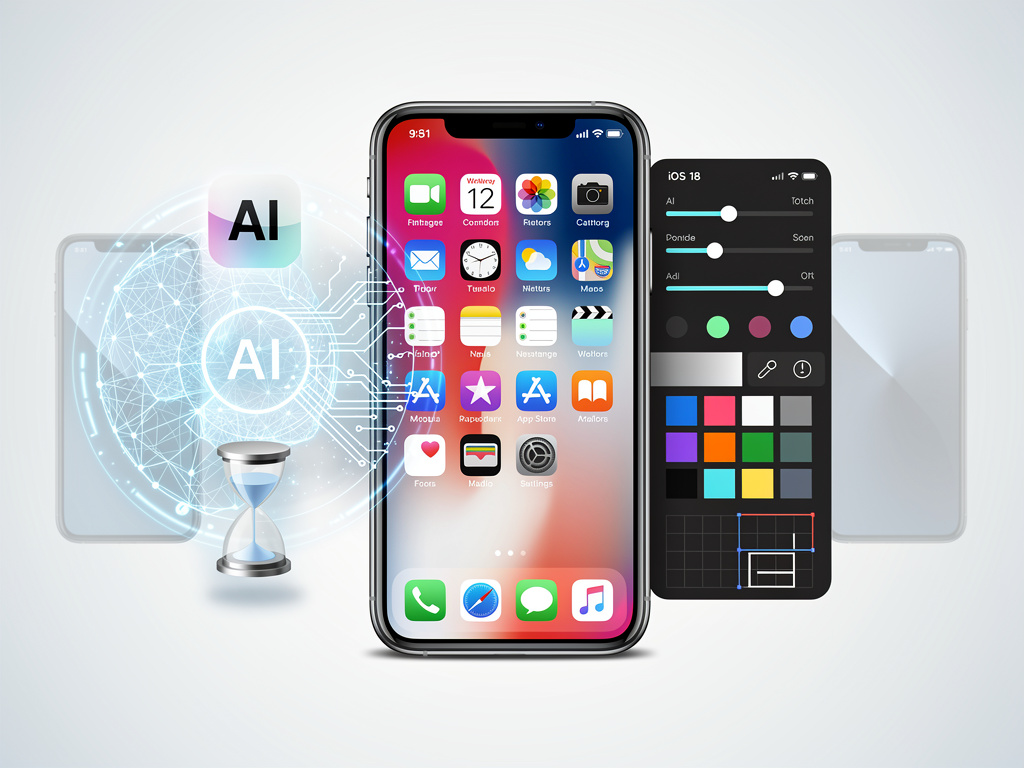
Apple is reworking the iPhone experience with artificial intelligence as a core system feature rather than a standalone tool. The strategy reflects a high-stakes effort to redefine how users interact with their devices while maintaining control over privacy, hardware, and software integration.
AI embedded across the iPhone
Apple is integrating AI into core functions of iOS instead of launching a single chatbot or assistant product. AI features are designed to work quietly in the background, supporting tasks such as writing, image editing, notifications, and app behavior. The approach focuses on making the system feel more responsive and personalized without requiring users to engage directly with AI interfaces.
On-device processing and privacy
A central part of Apple’s AI strategy is processing data on the device whenever possible. This reduces reliance on cloud servers and limits how personal data is transmitted or stored externally. Apple positions this approach as a way to deliver AI features while preserving user privacy and security.
System-wide intelligence
AI capabilities are being spread across the operating system. This includes smarter suggestions, improved search, context-aware actions, and adaptive interfaces. Apple aims to use AI to anticipate user needs based on behavior patterns while keeping those insights local to the device.
Developer and platform impact
Apple’s AI changes affect how developers build apps for the iPhone. New system tools allow apps to tap into AI features without handling sensitive data directly. This strengthens Apple’s control over the ecosystem while offering developers advanced capabilities tied closely to iOS.
Competitive positioning
Apple’s strategy differs from rivals that emphasize cloud-based AI assistants. By tightly coupling AI to hardware and the operating system, Apple seeks to differentiate the iPhone through performance, efficiency, and trust. The approach also reinforces Apple’s long-term platform dependency rather than rapid feature experimentation.
Risks and expectations
The shift carries risk because user expectations for AI are rising quickly. Apple’s slower, system-focused rollout may appear less visible compared with competitors. The company is betting that seamless integration and reliability will matter more over time than headline-grabbing features.
Conclusion
Apple’s AI strategy represents a calculated move to remake the iPhone experience from the inside out. By embedding intelligence across the system and prioritizing on-device processing, Apple aims to shape the next phase of smartphone interaction on its own terms.